

Green Card applicants told to leave US as new Trump rule reshapes residency pathways
Legal immigrants, students and workers likely to face major disruption
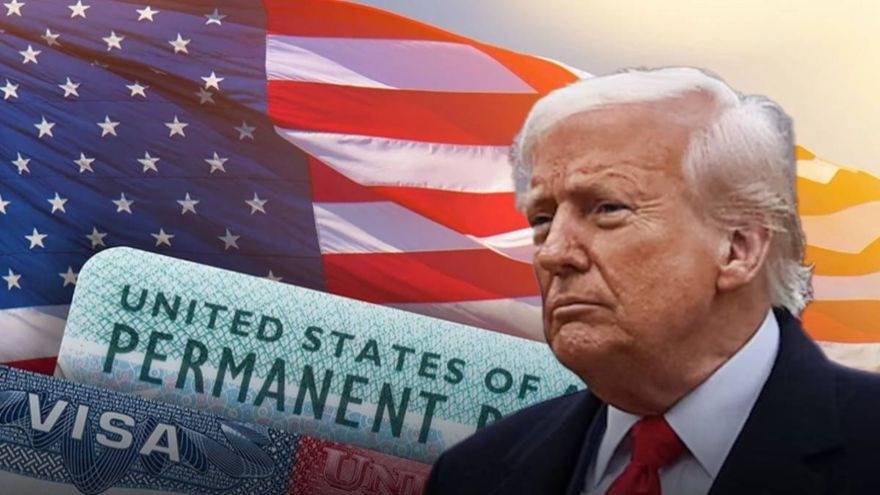
WASHINGTON/DUBAI – The administration of President Donald Trump has announced a sweeping change to the United States’ immigration system, requiring most foreigners applying for permanent residency, known as Green Cards, to complete the process from outside the country.
The move marks a significant shift in how adjustment of status applications are handled. Under the new policy, applicants already in the US on temporary visas will generally need to return to their home countries to apply.
Officials say only “extraordinary circumstances” will allow exceptions.
Policy for Green Card applicants
US Citizenship and Immigration Services US Citizenship and Immigration Services spokesperson Zach Kahler said the revised rule applies to non-immigrant visa holders, including students, temporary workers and tourists. He stated that the system is intended for temporary visitors to leave when their authorised stay ends, rather than use entry as a pathway to permanent residency.
USCIS is applying long-standing law and prior court decisions to require certain aliens with temporary visas who decide they want to permanently reside in the U.S. to return to their home countries to apply for permanent visas through the @StateDept.
— USCIS (@USCIS) May 22, 2026
We're returning to the… pic.twitter.com/E2AFZkds5m
The policy will shift most processing responsibilities to US consular offices abroad under the Department of State. Officials argue this reduces administrative pressure and limits cases of applicants remaining in the country after refusals.
Data cited from federal records shows the US granted more than 1.4 million Green Cards in fiscal year 2024.
System rationale
The Department of Homeland Security, which oversees USCIS, said the change is designed to align with long-standing immigration law and reduce the need for enforcement actions against those who overstay. Officials said the adjustment process will now primarily be managed overseas, streamlining domestic case handling.
Supporters of the policy argue it restores the original intent of temporary visas and improves efficiency in processing.
Backlash grows
The decision has drawn strong criticism from immigration advocates, lawmakers and policy analysts. Critics argue the rule may separate families, force job losses and destabilise communities, particularly among long-term visa holders already living and working in the US.
Legal experts also expect potential court challenges, citing concerns over fairness and humanitarian impact.
Immigration groups have warned that vulnerable applicants, including trafficking survivors and asylum seekers in complex legal processes, could face additional hardship under the new system.